


Have you ever been sitting across from someone eating a bag of chips, and with every wet crunch or heavy breath, you feel an instantaneous, uncontrollable surge of pure fury? Your jaw tightens, your heart accelerates, your fists clench, and you have to fight a visceral urge to either scream or flee the room immediately.
If you have ever wondered why chewing sounds make you angry while everyone else in the room remains completely oblivious, you are not crazy, impatient, or overly sensitive. You are likely experiencing a recognized neurological condition called Misophonia (literally translated as “hatred of sound”).
Neuroscience confirms that why chewing sounds make you angry is rooted in an involuntary physical hijack of your autonomic nervous system. Affecting an estimated 15% to 20% of the population, misophonia is not a character flaw or a hearing disorder—it is a structural and functional glitch in how the brain routes sensory signals to emotional and motor control centers.

Below, we break down the peer-reviewed neuroscience behind misophonia, why loved ones trigger the worst reactions, and how evidence-based therapeutic techniques can help you retrain your auditory circuits.

1. The Amygdala Alarm: Why Chewing Sounds Make You Angry in Milliseconds
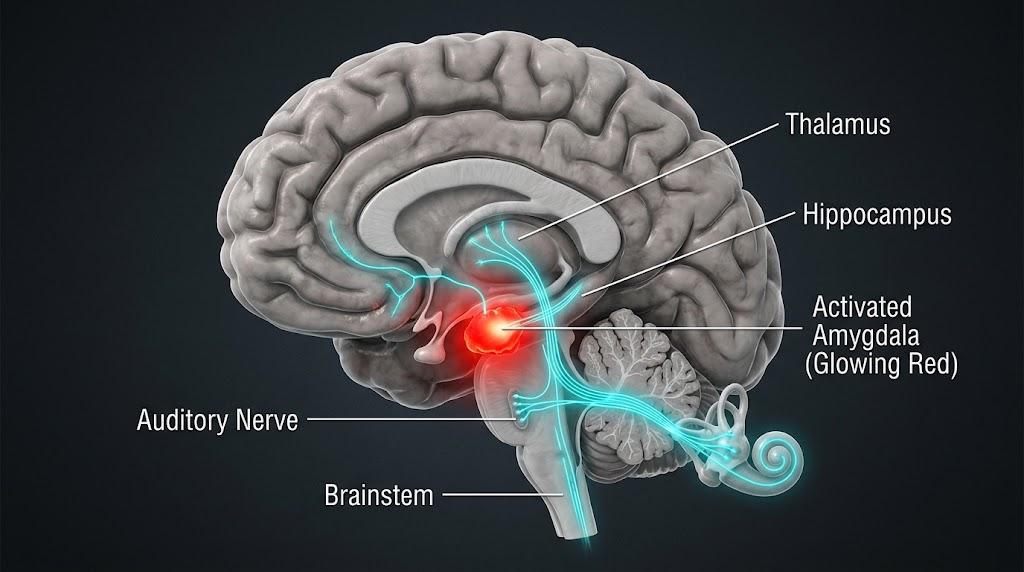
To an average nervous system, the sound of someone chewing gum or swallowing liquid is filtered out as irrelevant acoustic background noise. However, in people with misophonia, neuroimaging studies led by Dr. Sukhbinder Kumar at Newcastle University have revealed striking structural differences in brain architecture.
A primary factor in why chewing sounds make you angry is subcortical routing. When you hear a trigger sound, the acoustic signal enters the primary auditory cortex. But instead of being evaluated calmly by the prefrontal cortex—the seat of conscious reasoning—the signal is instantly routed along hyper-sensitized neural pathways directly to the amygdala. The amygdala is your brain’s primitive threat-detection center, responsible for initiating the survival fight-or-flight cascade.
Within milliseconds of hearing a crunch, your adrenal glands flood your bloodstream with epinephrine (adrenaline) and cortisol. Your heart rate spikes, peripheral blood vessels constrict, and your muscles prime for combat. Your rational mind understands that a family member eating dinner poses zero physical danger, but your subcortical survival hardware has already declared a code-red emergency. This acute stress surge is identical to what happens during the suspension bridge effect, where rapid autonomic arousal is instantly translated into extreme emotional reactivity.

2. The Anterior Insular Cortex: Why Chewing Sounds Make You Angry with Physical Disgust
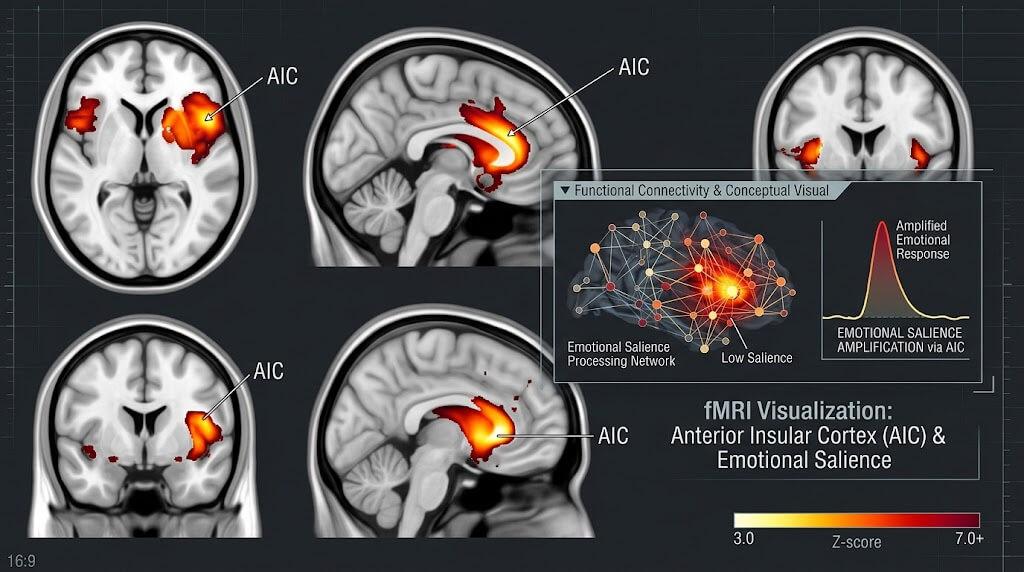
While the amygdala ignites the panic response, the sheer intensity of the rage in misophonia is governed by another crucial brain structure: the Anterior Insular Cortex (AIC).
Another fundamental reason why chewing sounds make you angry is the anterior insula. The AIC is the central hub of the brain’s salience network, responsible for integrating internal bodily sensations (interoception) with emotional states such as disgust, anger, and moral violation. In neuroimaging scans of misophonic brains, the functional connectivity between the auditory cortex and the AIC is on permanent overdrive.
When trigger sounds are detected, the AIC hyper-activates, amplifying the emotional charge of the sound by orders of magnitude. This explains why misophonia is characterized not merely by mild irritation, but by acute physical nausea, skin crawling, chest tightness, and explosive anger. The insula forces your conscious mind to experience a sound as a toxic internal contamination that must be stopped at all costs.
Auditory Processing Contrast: Ambient Sound Tolerance vs. Misophonic Rage
- Core Focus: Cortical Response: Auditory cortex processes acoustic frequency and decibel level without limbic activation.
- Neurochemistry: Autonomic State: Heart rate, galvanic skin response, and breathing rhythm remain totally baseline.
- Dynamic: Subjective State: The listener ignores the sound completely or notes it without emotional charge.
3. The Mirror Neuron Glitch: Why Chewing Sounds Make You Angry at Involuntary Movements
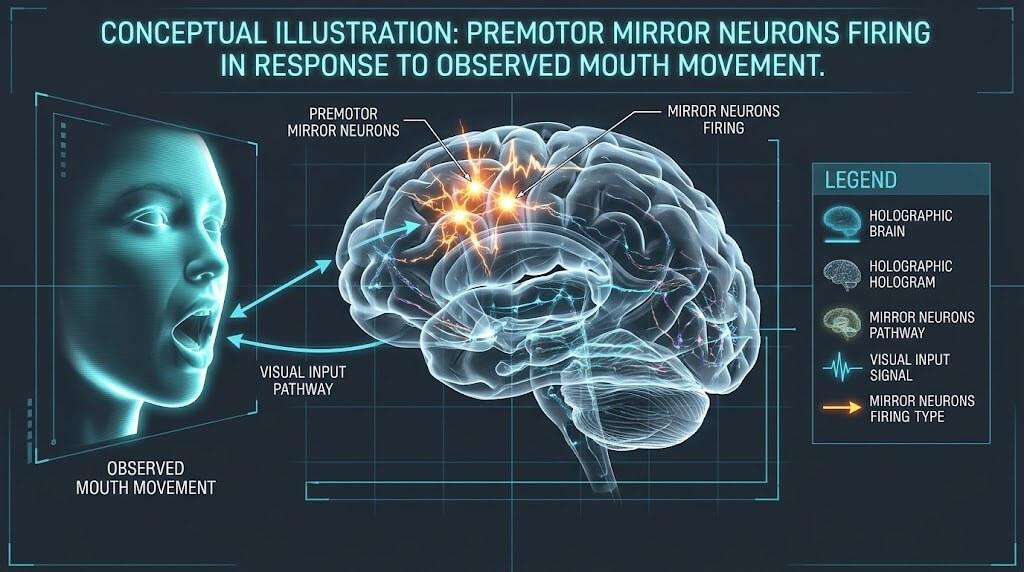
One of the most revolutionary breakthroughs in misophonia research discovered that the condition is not purely an auditory disorder. Groundbreaking research published in The Journal of Neuroscience revealed that misophonia is fundamentally an orofacial motor-control glitch driven by the mirror neuron system.
When investigating why chewing sounds make you angry, motor mirroring is critical. Mirror neurons are specialized cells in the premotor cortex that fire both when you perform an action and when you observe someone else performing it. When you hear someone chewing, smacking lips, or breathing heavily, your brain’s premotor cortex involuntarily activates the motor programs to simulate that exact physical movement in your own mouth and throat.
Because you cannot control or stop the other person’s jaw movements, your motor cortex experiences severe cognitive conflict. The brain perceives this involuntary mirror activation as an intrusive biological intrusion—feeling as though another person is forcing your mouth to move against your will. This profound lack of agency manifests subjectively as intense hostility toward the person producing the sound, mirroring the same psychological friction seen when environmental cues influence behavior without our conscious permission.
More Read

4. The “Familiarity Penalty”: Why Chewing Sounds Make You Angry Around Family
A puzzling characteristic of misophonia is what psychologists call the Familiarity Penalty. Sufferers frequently report that a stranger chewing loudly in a crowded restaurant causes minimal distress, whereas the exact same chewing sound produced by a spouse, parent, or child triggers immediate, unmanageable fury.
This agonizing paradox of why chewing sounds make you angry specifically around loved ones occurs for three distinct neurological reasons:
- Social Disinhibition: When you are around close family, your brain relaxes its social filtering and executive inhibition. You are naturally more physiologically permeable and emotionally reactive to loved ones.
- Compounded Conditioning: Misophonia typically emerges between ages 9 and 13. Over years of repeated dinner-table exposure, the neural pathways linking specific family voices and eating habits to the amygdala become deeply consolidated through long-term potentiation.
- Unconscious Expectation of Safety: The brain expects family environments to be safe sensory sanctuaries. When a trigger sound occurs at home, the nervous system interprets it as a boundary violation from the very people expected to provide comfort.
This emotional strain frequently causes chronic interpersonal stress, leading to sleepless nights and evening rumination, closely paralleling why the brain replays embarrassing memories at night when mental defenses are low.
5. Sensory Gating Failure: When the Thalamus Fails to Filter
In a healthy central nervous system, an essential structure called the thalamus acts as the sensory gatekeeper. It evaluates incoming acoustic frequencies, dampens repetitive background noises, and passes only biologically critical signals to conscious working memory.
When analyzing why chewing sounds make you angry, thalamic filtering is key. In misophonia, this sensory gating system experiences a localized failure. The brain fails to habituate to repetitive rhythmic sounds. Instead of fading into background noise after several repetitions, each successive crunch or click sounds louder, sharper, and more intrusive than the last. This sensory sensitization is also why stress exacerbates nervous system misfires across the body, such as why your eye twitches randomly under stress.
Neuroanatomy of Misophonia: Brain Regions vs. Symptoms
To visualize how these neural circuits collaborate to create the misophonic experience, examine how specific cerebral regions generate the syndrome’s core symptoms:
| Brain Region | Normal Neurological Function | Misophonic Malfunction |
|---|---|---|
| Auditory Cortex (A1) | Processes pitch, volume, and acoustic tone. | Forms abnormal hyper-connections to emotional centers. |
| Amygdala | Evaluates mortal threats and initiates fight-or-flight. | Misinterprets soft chewing as a life-threatening predator attack. |
| Anterior Insular Cortex (AIC) | Integrates interoception, visceral disgust, and salience. | Amplifies rage, physical nausea, and bodily tension by 100x. |
| Premotor Mirror Cortex | Facilitates empathy and social motor imitation. | Involuntarily simulates the trigger motion, causing motor distress. |
| Prefrontal Cortex (PFC) | Governs rational impulse control and executive calming. | Gets bypassed completely during acute trigger exposure. |
Evidence-Based Strategies: How to Silence Misophonia Triggers
While there is no surgical cure for misophonia, neuroplasticity and clinical auditory protocols offer powerful tools to dampen autonomic reactivity and reclaim your peace:
1. Acoustic Layering vs. Absolute Sound Isolation
When managing why chewing sounds make you angry, many sufferers instinctively rely on dense earplugs. Audiologists caution that complete silence is counterproductive: isolating the auditory cortex increases central auditory gain, making your ears significantly more sensitive to triggers over time.
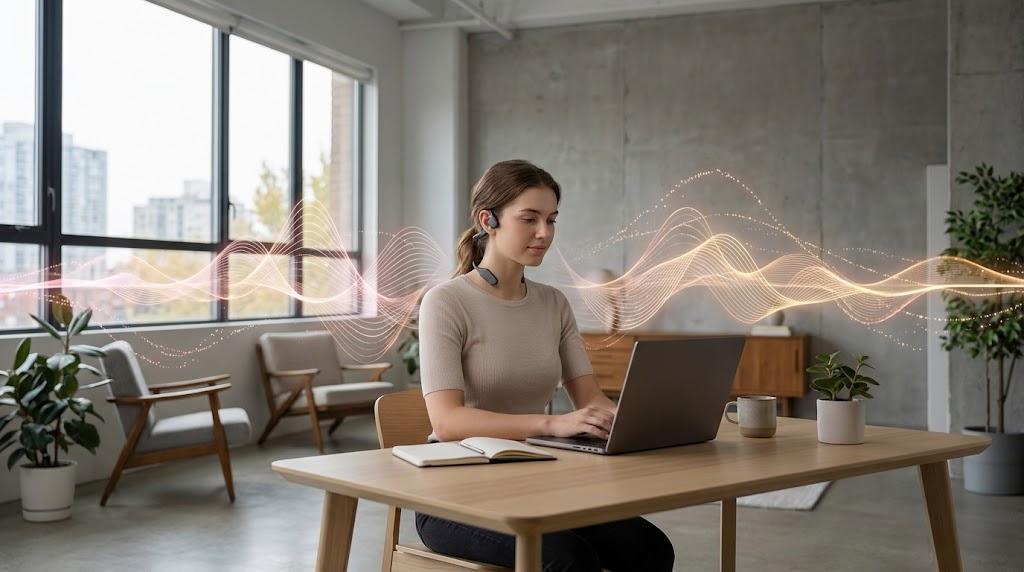
Instead, utilize acoustic layering. Use open-ear headphones to introduce continuous, low-level pink noise, brown noise, or rain soundscapes. This provides a steady acoustic baseline that smooths out sharp, spiky eating sounds, preventing them from breaching the amygdala’s activation threshold.
2. The Motor Mimicry Counter-Protocol
Because the premotor cortex suffers from an inability to control the observed action, subtle motor mimicry can alleviate distress. Chewing your own gum, sipping water, or rhythmically tapping your own fingers provides your mirror neuron system with sensory feedback and self-agency, measurably reducing the panic response.
3. Cognitive Behavioral Therapy (CBT) and Inhibitory Retraining
Specialized CBT protocols for misophonia focus on breaking the automatic conditioned link between trigger sounds and cataclysmic threat appraisals. By combining controlled acoustic exposure with somatic grounding techniques (such as physiological sighs and bilateral tapping), patients gradually retrain the amygdala to recognize that chewing sounds are benign.
4. Establishing Clear Sensory Boundaries
Educating family members that misophonia is a genuine neurological condition—not personal animosity—is transformative. Setting neutral house rules (such as playing low background music during family meals) removes emotional tension and protects vital relationships.
Understanding these sensory coping mechanisms also relates to optimizing sleep recovery, as chronic auditory hyper-vigilance during the day frequently disrupts deep restorative delta sleep at night.
Living with Misophonia: Neuro-Regulatory Strategies
- Understanding why chewing sounds make you angry reveals a neurological fight-or-flight misfire, not a personality flaw.
- The amygdala and anterior insular cortex hyper-activate, transforming benign acoustic patterns into visceral panic and rage.
- Misophonia involves a premotor mirror neuron glitch, where the brain involuntarily simulates jaw actions it cannot control.
- The Familiarity Penalty causes loved ones to trigger the most severe reactions due to emotional attachment and neural conditioning.
- Acoustic pink noise layering and somatic grounding provide proven, non-invasive relief from sensory overwhelm.
Frequently Asked Questions
Why do chewing sounds make you angry but loud music does not?
Misophonia is pattern-specific rather than volume-specific. Loud music, thunderstorms, and machinery are non-biological or complex acoustic arrays that do not trigger the human mirror neuron system. In contrast, repetitive orofacial sounds (chewing, swallowing, lip smacking) specifically engage the brain’s premotor action-mirroring networks.
Why do chewing sounds make you angry: is it a mental illness or neurological condition?
Neuroscience classifies misophonia as a neuro-auditory and sensory processing disorder with psychiatric emotional symptoms. Brain scans clearly demonstrate physical hyper-connectivity between the auditory cortex, the salience network, and the motor cortex, proving it is a biological condition rather than purely psychological distress.
Can misophonia get worse if left untreated?
Yes. Due to hebbian neuroplasticity (“neurons that fire together, wire together”), repeated unmanaged trigger exposure accompanied by intense rage can strengthen the neural pathways connecting trigger sounds to the amygdala, causing trigger sensitivities to expand over time.
Does wearing noise-canceling headphones help or hurt misophonia?
While noise-canceling headphones offer necessary temporary relief in high-stress situations, wearing them continuously in quiet environments can cause auditory hyperacusis (increased sensitivity). Audiologists recommend playing soft background sounds (pink or brown noise) rather than maintaining total silence.
Is there a cure for misophonia?
While there is currently no universal pharmaceutical cure, therapies such as Cognitive Behavioral Therapy (CBT), Auditory Retraining Therapy, and somatic stress regulation protocols consistently help patients achieve a 50% to 70% reduction in trigger severity.
Academic References
- Kumar, S., Tansley-Hancock, O., Sedley, W., Winston, J. S., Callaghan, M. F., Allen, M., Cope, T. E., Gander, P. E., Bamiou, D. E., & Griffiths, T. D. (2017). The brain basis for misophonia. Current Biology, 27(4), 527-533. DOI: 10.1016/j.cub.2016.12.048
- Kumar, S., Dheerendra, P., Erfanian, M., Benzaquén, E., Sedley, W., Gander, P. E., Lad, M., Bamiou, D. E., & Griffiths, T. D. (2021). The motor basis for misophonia. Journal of Neuroscience, 41(26), 5762-5770. DOI: 10.1523/JNEUROSCI.0261-21.2021
- Schröder, A., Vulink, N., & Denys, D. (2013). Misophonia: Diagnostic criteria for a new psychiatric disorder. PLOS ONE, 8(1), e54706. DOI: 10.1371/journal.pone.0054706
- Brout, J. J., Edelstein, M., Erfanian, M., Mannino, M., Miller, L. J., Rouw, R., Kumar, S., & Rosenthal, M. Z. (2018). Investigating misophonia: A review of the empirical literature, clinical implications, and a research agenda. Frontiers in Neuroscience, 12, 36. DOI: 10.3389/fnins.2018.00036
- Jastreboff, P. J., & Jastreboff, M. M. (2001). Components of decreased sound tolerance: Hyperacusis, misophonia, phonophobia. ITR Newsletter, 2(1), 5-7.
📚 You Might Also Like
Hand-picked articles for you


