


Why are humans so good at adapting? It is a fundamental question that touches everything from surviving extreme polar temperatures to navigating career burnout and emotional heartbreak. While most mammalian species adapt through sluggish genetic evolution across tens of thousands of years, the human species achieves something unprecedented: we adapt within a single lifetime, often within weeks, days, or even hours.
Cognitive neuroscience confirms that our exceptional resilience is not a biological accident. It is hardwired into the predictive architecture of the human central nervous system. When evaluating why are humans so good at adapting, researchers point to a synchronized biological symphony: structural neuroplasticity, autonomic stress calibration, sensory gating, and predictive cognitive modeling. Your nervous system is constantly rebuilding its physical pathways to match the demands of your immediate environment.
To truly understand why are humans so good at adapting, we must explore how our neural hardware anticipates challenges, where this adaptive power breaks down into burnout, and how you can intentionally direct this biological superpower in everyday life.
The Brain as an Adaptive Prediction Machine
The human brain does not simply react to the outside world; it operates as an active predictive processing engine. Trapped inside a dark, silent skull, the brain continuously analyzes incoming sensory data and compares it with internal generative models to maintain physiological equilibrium.
This process of internal balance is known as homeostasis, but in demanding environments, the brain relies on a more advanced mechanism called allostasis—achieving stability through physiological change. The central nervous system adjusts blood pressure, core body temperature, hormone release, and metabolic rates before environmental shifts fully occur.

What makes human adaptation truly unique is our capacity for pre-adaptive foresight. Powered by the prefrontal cortex—the most evolutionarily recent cerebral structure—humans can mentally simulate hypothetical futures and prepare the nervous system in advance. While other animals rely heavily on hardwired reflexes, humans construct mental simulations, pre-adapting our physiology before facing actual physical challenges. This conscious mental flexibility is also what enables environmental cues to influence behavior and reshape our daily routines automatically.
7 Neuroscience Mechanisms: Why Are Humans So Good at Adapting?
1. Structural and Functional Neuroplasticity
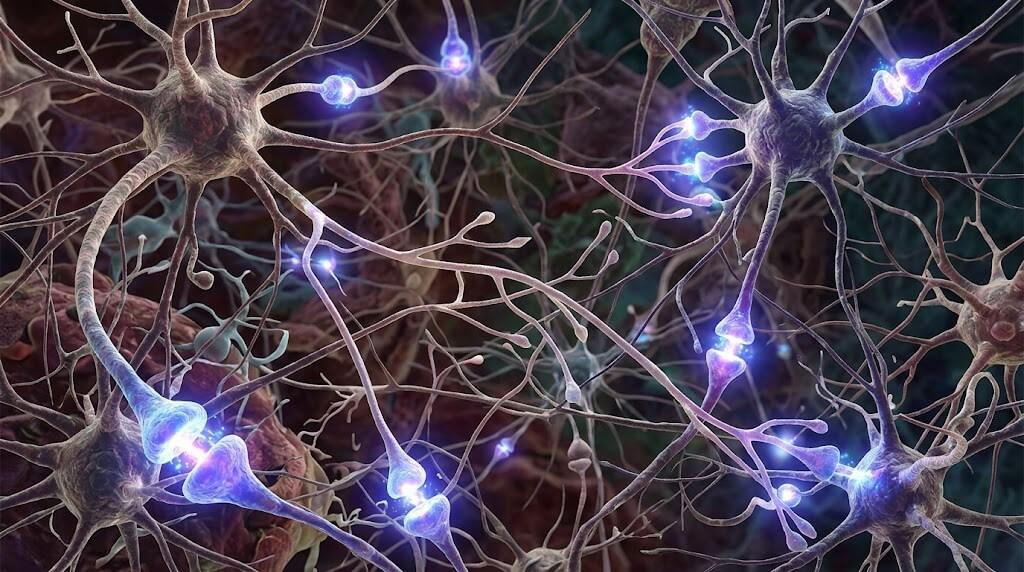
The cornerstone of why are humans so good at adapting is neuroplasticity—the brain’s lifelong ability to alter its physical structure and functional connectivity in response to learning, environmental pressure, and injury. Every habit you form, language you acquire, or trauma you survive physically alters your neural connectome.
Landmark neuroimaging studies demonstrate this physical remodeling clearly:

- London Taxi Drivers: Neuroscientist Dr. Eleanor Maguire discovered that London cab drivers—who must memorize 25,000 streets for “The Knowledge” exam—develop a significantly enlarged posterior hippocampus. Their spatial memory demands physically grew new gray matter.
- Cortical Remapping in Blind Individuals: When visual input is lost, the visual cortex (V1) does not atrophy. Instead, it gets rewired to process tactile information (such as reading Braille) and auditory signals, demonstrating functional cross-modal plasticity.
- Post-Stroke Recovery: Following localized ischemic injury, adjacent and contralateral brain regions can gradually assume the computational functions of damaged tissues.
2. Allostatic Calibration: The Stress Response as an Adaptive Engine
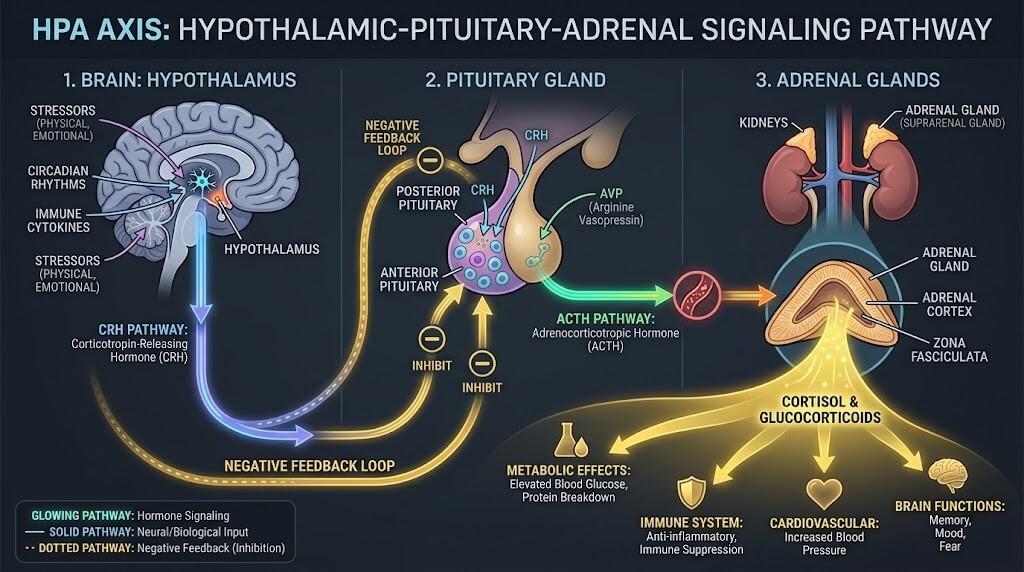
Modern culture frequently views stress as purely toxic. However, evolutionary neurobiology reveals that acute stress is the body’s primary catalyst for adaptation. When you encounter a sudden stressor, the hypothalamic-pituitary-adrenal (HPA) axis activates, releasing adrenaline and glucocorticoids (cortisol).
This acute neuroendocrine surge sharpens sensory focus, mobilizes glucose reserves, and accelerates synaptic encoding. Crucially, as demonstrated in psychoneuroimmunology research by Dr. Firdaus Dhabhar, acute physiological stress does not merely ‘boost’ immunity indiscriminately; rather, it orchestrates a rapid redistribution (trafficking) of immune cells from circulation toward front-line target tissues like the skin, lymph nodes, and mucosal barriers in anticipation of potential injury. In short, manageable bouts, this activation promotes adaptive cellular resilience. The biological hazard arises when stressors become chronic without adequate recovery intervals, leading to glucocorticoid receptor resistance, chronic low-grade inflammation, and allostatic overload—a key reason why you feel tired after 8 hours of sleep.
3. Sensory Adaptation and Neural Habituation
Have you ever noticed how the persistent hum of a refrigerator or the scent of a room vanishes within minutes? This is sensory adaptation, an essential cognitive filter managed by the thalamus and reticular activating system.
The brain consumes roughly 20% of the body’s caloric energy despite accounting for only 2% of total mass. To conserve metabolic fuel, neural networks suppress continuous, non-threatening baseline signals (neural habituation) to allocate precious computational bandwidth exclusively toward novelty and environmental shifts. This sensory gating ensures you are not overwhelmed by mundane inputs, reserving focus for genuine survival signals.
4. Rapid Physiological Acclimatization: Why Are Humans So Good at Adapting to Extremes?
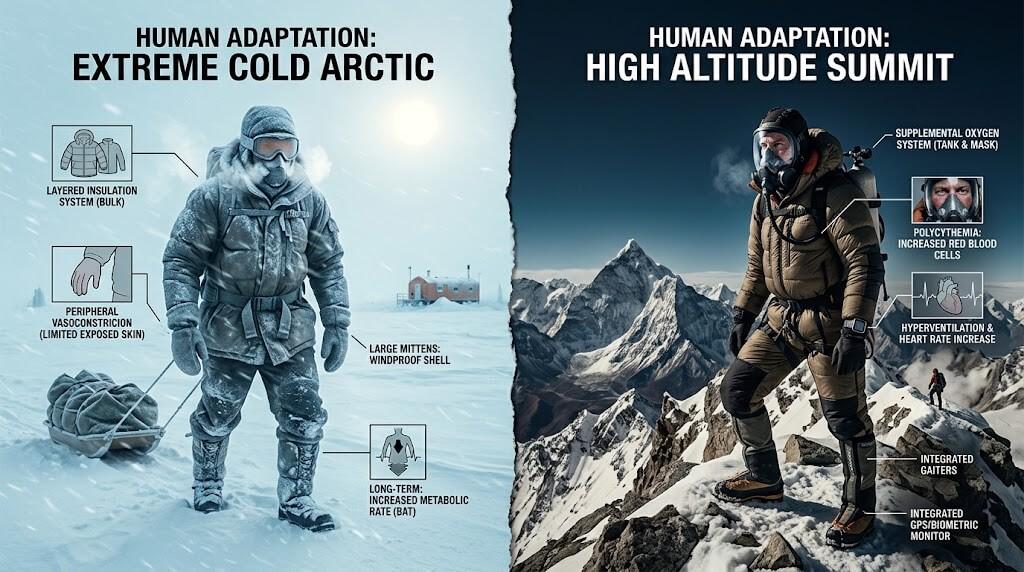
When examining why are humans so good at adapting across physical extremes, our rapid physiological plasticity is staggering. Humans have successfully colonized scorching deserts, humid rainforests, and sub-zero Arctic tundras without waiting for genetic mutations:
- High-Altitude Hypoxia: When ascending to high elevations, the kidneys increase erythropoietin (EPO) production within 48 hours, stimulating bone marrow to produce more red blood cells for enhanced oxygen transport.
- Thermal Acclimatization: Chronic exposure to cold triggers the proliferation of brown adipose tissue (BAT), elevating non-shivering thermogenesis and vascular tone.
- Microgravity Reversibility: Astronauts on the International Space Station experience bone demineralization and cardiovascular shifts in zero gravity, yet their musculoskeletal systems systematically re-adapt upon returning to Earth’s gravitational pull.
5. Cognitive Decoupling and Cultural Transmission
A critical factor in why are humans so good at adapting compared to other primates is our capacity for cultural evolution. Through symbolic language, social learning, and conceptual abstraction, a single individual’s adaptive discovery (such as fire, clothing, or agriculture) can be instantly transmitted across an entire population and preserved across generations.

This capacity allows human societies to adapt to new environments at cultural speed rather than evolutionary biological speed. The human prefrontal cortex enables us to decouple from immediate sensory reality, simulate novel solutions, and share behavioral blueprints across global networks.
6. Psychological Resilience: Why Are Humans So Good at Adapting to Emotional Trauma?
Psychological resilience—the capacity to recover from adversity—is not a static personality trait. It is an active neural circuit governed by bidirectional pathways connecting the medial prefrontal cortex (mPFC) and the amygdala.
Each time you successfully navigate a distressing situation and recover, your prefrontal cortex strengthens its inhibitory control over the emotional fear centers. This neural conditioning teaches the brain that challenging physiological arousal is temporary and survivable. Similar autonomic misinterpretations occur during the suspension bridge effect, where autonomic arousal is processed through cognitive frameworks.
7. Habit Automation via the Basal Ganglia
The ultimate goal of neural adaptation is cognitive efficiency. When you repeatedly perform a task—such as driving a car, typing on a keyboard, or brushing your teeth—the brain shifts executive control from the metabolically expensive prefrontal cortex to the automatic neural loops of the basal ganglia.
This process of chunking frees up working memory for complex problem-solving. It allows humans to master intricate, multi-step behaviors until they require virtually zero conscious effort, illustrating why humans are so good at adapting to demanding modern routines.
The Adaptation Paradox: Neural Plasticity vs. Hedonic Treadmill
- Core Focus: Rebuilding baseline cognitive function and expanding new neural pathways.
- Neurochemistry: Neurobiology: BDNF synthesis and dendritic spine remodeling in the motor and sensory cortices.
- Dynamic: Dynamic: Ensures survival through flexible real-time behavioral reconfiguration.
Biological Mechanisms vs. Daily Human Adaptations
To summarize how these underlying physiological systems translate into real-world resilience, consider how specific neurological circuits manage daily environmental demands:
| Neural Mechanism | Primary Brain Region | Adaptive Function |
|---|---|---|
| Structural Neuroplasticity | Hippocampus & Neocortex | Physically rewires synapses based on learning and demand. |
| Allostatic Stress Regulation | HPA Axis & Adrenal Glands | Mobilizes physiological resources to overcome acute challenges. |
| Thalamic Sensory Gating | Thalamus & RAS | Suppresses redundant stimuli to conserve cognitive energy. |
| Predictive Coding | Prefrontal Cortex | Anticipates environmental changes before they physically occur. |
| Behavioral Chunking | Basal Ganglia & Striatum | Automates repetitive actions into effortless subconscious habits. |
The Dark Side of Adaptation: Where the System Breaks Down
While exploring why are humans so good at adapting, it is equally crucial to recognize that human adaptability is a double-edged sword. Because the nervous system adapts to any recurring state, it can seamlessly normalize toxic, damaging conditions:
- The Normalization of Chronic Burnout: If you live under constant workplace distress or sleep deprivation, your brain normalizes high cortisol baselines. You may stop “feeling” stressed, yet arterial inflammation, memory loss, and nervous misfires (such as why your eye twitches randomly) continue compounding silently.
- Digital Over-Stimulation: Frequent immersion in hyper-stimulating, algorithmically curated digital content is hypothesized to induce reward system habituation and elevate the sensory threshold for engagement. While overt dopamine D2 receptor downregulation is well-documented in clinical substance dependence, behavioral neuroscientists note that frequent high-frequency stimulation can attenuate responsiveness to subtle natural rewards, fostering attentional restlessness and perceived boredom during slower, everyday tasks.
- Maladaptive Habituation: Individuals in toxic relationships or destructive environments frequently adapt to emotional distress, rationalizing dysfunction as their acceptable standard.
Why Adaptation Feels Uncomfortable
When investigating why are humans so good at adapting, an obvious paradox arises: why does personal change feel so uncomfortable? Neuroscience reveals that adaptation requires the brain to dismantle existing predictive models and invest metabolic energy in constructing new ones.
When circumstances shift, your stored assumptions become invalid. The resulting prediction errors trigger biological friction—felt consciously as confusion, anxiety, fatigue, or self-doubt. This emotional discomfort is not a sign of failure; it is the physical sensation of neuroplastic remodeling in progress. Understanding why are humans so good at adapting helps reframe this discomfort as active neurological growth rather than a reason to quit.
Furthermore, this nocturnal processing of recent stressors and emotional recalibration is deeply intertwined with why the brain replays embarrassing memories at night as it updates social prediction models.
Scientific Distinction: What the Evidence Supports vs. Current Hypotheses
- Adult Structural Plasticity: Longitudinal MRI studies (such as Maguire et al., 2000) demonstrate that prolonged environmental demands induce detectable volumetric changes in regional gray matter.
- Allostatic Load Pathology: Bruce McEwen’s extensive clinical research proves that persistent activation of the HPA axis causes structural remodeling in the hippocampus and prefrontal cortex while elevating systemic inflammatory markers.
- Acute Immuno-Enhancement: Rigorous experimental immunology (Dhabhar, 2014) confirms that short-term physiological stress redistributes leukocytes to enhance barrier defenses.
- The Free-Energy Principle as a Unified Theory: While Karl Friston’s predictive coding and free-energy minimization framework offers a powerful mathematical model of cognitive adaptation, researchers actively debate its universal testability across all neurological domains.
- Screen-Time Neuroadaptation vs. Addiction: While short-term attention shifts and reward habituation from smartphone usage are evident, the extent of permanent structural or receptor-level alterations remains an evolving research frontier.
Cognitive Plasticity: The Mechanics of Human Resilience
- Understanding why are humans so good at adapting centers on neuroplasticity, allowing the brain to physically rewire its structure across a single lifetime.
- The human brain acts as a predictive control center, employing allostasis to anticipate environmental demands before they happen.
- Acute stress is an adaptive trigger, though chronic stress without adequate recovery causes allostatic overload and neural damage.
- The nervous system employs sensory habituation and habit chunking to minimize metabolic waste and maximize executive bandwidth.
- Adaptation can normalize harmful states, making intentional self-awareness essential for long-term health.
Frequently Asked Questions
Why are humans so good at adapting compared to other animals?
Humans possess an exceptionally developed prefrontal cortex, high neuroplasticity, and the unique ability to transmit adaptive cultural knowledge symbolically. While most animals must wait for multi-generational genetic changes, humans adapt technologically, physiologically, and cognitively within a single lifetime.
What role does neuroplasticity play in why are humans so good at adapting?
Neuroplasticity allows neural pathways to strengthen through repetition and rewire after injury. This enables people to master complex skills, learn foreign languages at advanced ages, and recover significant neurological function following strokes or brain trauma.
Can the human brain adapt to chronic lack of sleep?
No. While you may adapt to the subjective feeling of exhaustion (believing you function well on 5 hours of sleep), objective cognitive testing proves that working memory, reaction times, and immune markers continue degrading steadily. The brain cannot bypass its biological need for sleep repair.
Why does stepping out of your comfort zone feel so stressful?
Stepping into new environments forces the brain to discard familiar predictive routines and build new neural circuits under uncertainty. This consumes significant glucose and oxygen, which the nervous system registers as anxiety and cognitive fatigue.
How can I increase my personal adaptability?
You can enhance neurological adaptability by intentionally engaging in manageable novelty (learning new skills, cold exposure, physical training), prioritizing consistent restorative sleep for synaptic consolidation, and maintaining a growth-oriented mindset during periods of uncertainty.
Academic References
- Maguire, E. A., Gadian, D. G., Johnsrude, I. S., Good, C. D., Ashburner, J., Frackowiak, R. S., & Frith, C. D. (2000). Navigation-related structural change in the hippocampi of taxi-drivers. Proceedings of the National Academy of Sciences, 97(8), 4398-4403. DOI: 10.1073/pnas.070039597
- McEwen, B. S. (1998). Protective and damaging effects of stress mediators: Allostasis and allostatic load. New England Journal of Medicine, 338(3), 171-179. DOI: 10.1056/NEJM199801153380307
- Dhabhar, F. S. (2014). Effects of stress on immune function: the good, the bad, and the beautiful. Immunologic Research, 58(2-3), 193-210. DOI: 10.1007/s12026-014-8517-0
- Merzenich, M. M., Nelson, R. J., Stryker, M. P., Cynader, M. S., Schoppmann, A., & Zook, J. M. (1984). Somatosensory cortical map changes following digit amputation in adult monkeys. Journal of Comparative Neurology, 224(4), 591-605. DOI: 10.1002/cne.902240408
- Friston, K. (2010). The free-energy principle: a unified brain theory?. Nature Reviews Neuroscience, 11(2), 127-138. DOI: 10.1038/nrn2787


