


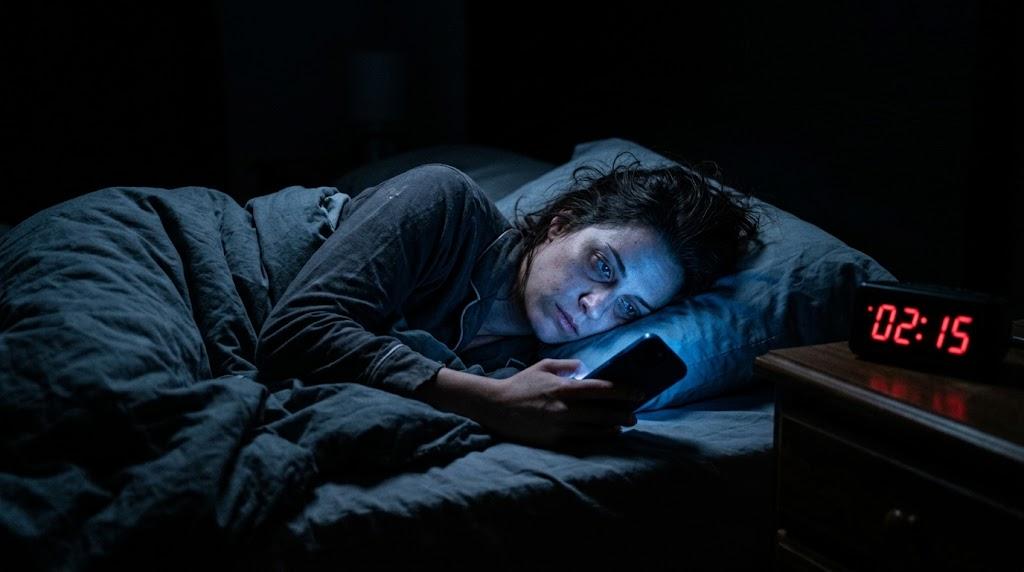
It is 1:30 AM. You are completely exhausted. Your eyes are burning, your lower back aches, and you know with absolute certainty that your alarm is going to ring in less than five hours. The most logical, biological, and healthy decision you could possibly make right now is to turn off your phone, close your eyes, and go to sleep. Instead, you open another app. You watch another video. You scroll through another feed. You actively choose to sabotage your own rest, fully aware of how miserable you will feel tomorrow. If this sounds painfully familiar, you are actively suffering from a massive psychological phenomenon known as revenge bedtime procrastination.
You are not alone. Millions of people across the globe are currently trapped in this exact same midnight cycle. For decades, psychologists assumed that people who stayed up late were simply night owls, or perhaps suffered from clinical insomnia. But recent behavioral science has uncovered a much darker, much more fascinating truth. You are not staying awake because you cannot sleep. You are staying awake because you are subconsciously seeking revenge.
Today, we are going to dive deep into the psychology of the modern sleep crisis. We will explore the intense chemical warfare happening inside your brain at midnight, the crushing weight of the modern workday, and exactly how revenge bedtime procrastination became the most common coping mechanism of the 21st century.
1. What Exactly Is Revenge Bedtime Procrastination?
The term revenge bedtime procrastination originally emerged in China (known as “bàofùxìng áoyè”) to describe the grueling schedule of the “996” work culture—working from 9 AM to 9 PM, 6 days a week. When workers finally arrived home at 10 PM, they faced a brutal choice: go to sleep immediately to survive the next day, or stay awake to reclaim a few tiny hours of personal freedom.
Psychologically, the definition is simple: it is the deliberate decision to delay sleep for non-essential leisure time, specifically driven by a perceived lack of personal autonomy during daytime hours. It is a form of psychological rebellion.

When your entire day is dominated by employers, clients, family responsibilities, and endless commutes, the late-night hours become the only territory you truly own. By refusing to sleep, your mind takes “revenge” on your chaotic daytime schedule.
According to clinical guides from the Sleep Foundation, this behavior is a widespread response to high-stress work environments. The tragedy of this loop is its self-reinforcing nature: you sacrifice rest to claim free time, leading to severe daytime fatigue, which makes the next workday feel even more overwhelming and out of control.
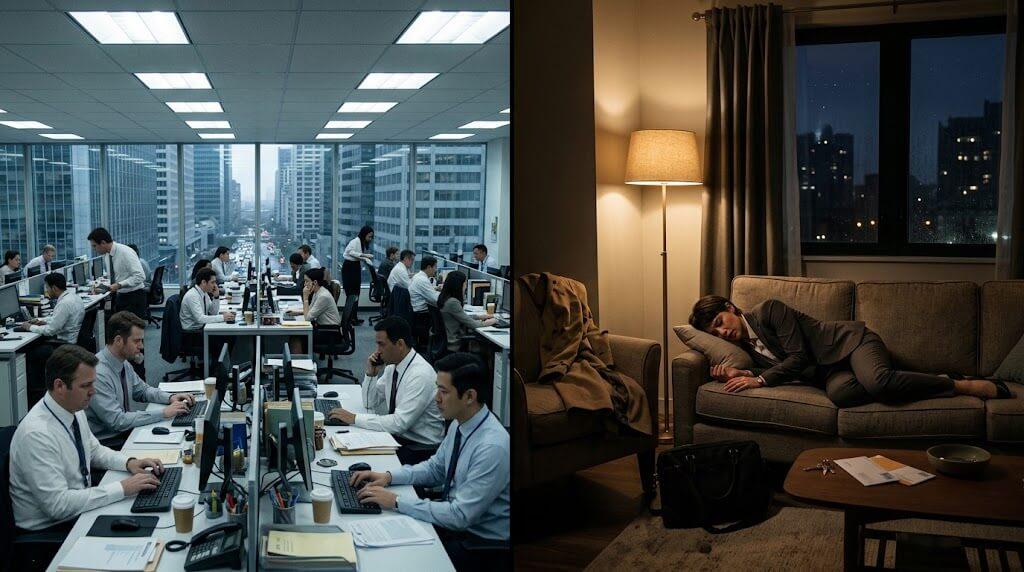

THE MIDNIGHT BRAIN: Chemical Hostage Situation
To understand why putting the phone down feels impossible at 2:00 AM, we must examine your brain chemistry during late hours:
- Ego Depletion: Executive willpower is a finite biological battery. By midnight, your prefrontal cortex lacks the glucose and neurotransmitters required to enforce healthy sleep boundaries.
- The Cheap Dopamine Trap: Social media feeds provide rapid, effortless micro-bursts of dopamine. An exhausted nervous system naturally craves instant stimulation to soothe daily stress.
- The Neuro-Chemical Result: Depleted executive control selects immediate digital gratification over vital long-term physiological repair.
2. The Psychological Need for Autonomy and Control
At its core, this midnight behavior has very little to do with sleep hygiene and everything to do with psychological self-preservation. Human beings possess a fundamental drive for personal autonomy. When daytime schedules strip away your sense of agency, your subconscious mind experiences emotional suffocation.
Research by Dr. Kroese at Maastricht University has identified several personality traits strongly associated with bedtime procrastination: low self-discipline, high impulsivity, and a tendency toward evening-type chronotype. People who score high on measures of autonomy—the need to feel in control of their own choices—are also more likely to procrastinate at bedtime, even when they are fully aware of the health consequences.
Late at night, when household demands cease and work emails stop:
- The room becomes quiet, notifications pause, and for the first time in 16 hours, you feel like the sole master of your time.
- You can consume media, explore interests, and exist without external performance pressure.
- This sense of quiet freedom is intensely addictive to an overworked mind.
Regrettably, because this autonomy is reclaimed at midnight, it directly sabotages biological recovery. The brain rationalizes this trade-off, convincing itself that late-night “me time” is essential for mental survival. This cognitive shortcut is similar to why we ignore critical attention signals under stress, ignoring long-term exhaustion to seize short-term relief.
The health implications are severe. A meta-analysis published in Sleep Medicine Reviews found that adults who consistently sleep less than six hours per night have a 12% higher risk of premature mortality compared to those who sleep seven to eight hours. Despite knowing these risks, many people continue the cycle because the immediate psychological reward of evening freedom outweighs the abstract future health costs—a classic example of temporal discounting.
3. Doomscrolling and the Productivity Paradox
Why do late-night hours rarely involve productive hobbies like painting, reading, or learning an instrument? The answer lies in cognitive friction. Engaging in active hobbies requires cognitive effort that an exhausted prefrontal cortex cannot provide. Consequently, stolen night hours default to passive “doomscrolling”—consuming endless short video feeds or negative news cycles requiring zero executive effort.

This creates what behavioral scientists call the productivity paradox: sacrificing rest guarantees severe executive dysfunction the following day. Memory retention, emotional regulation, and processing speed plummet, making tomorrow’s work slower and more stressful—further intensifying the urge for late-night revenge.
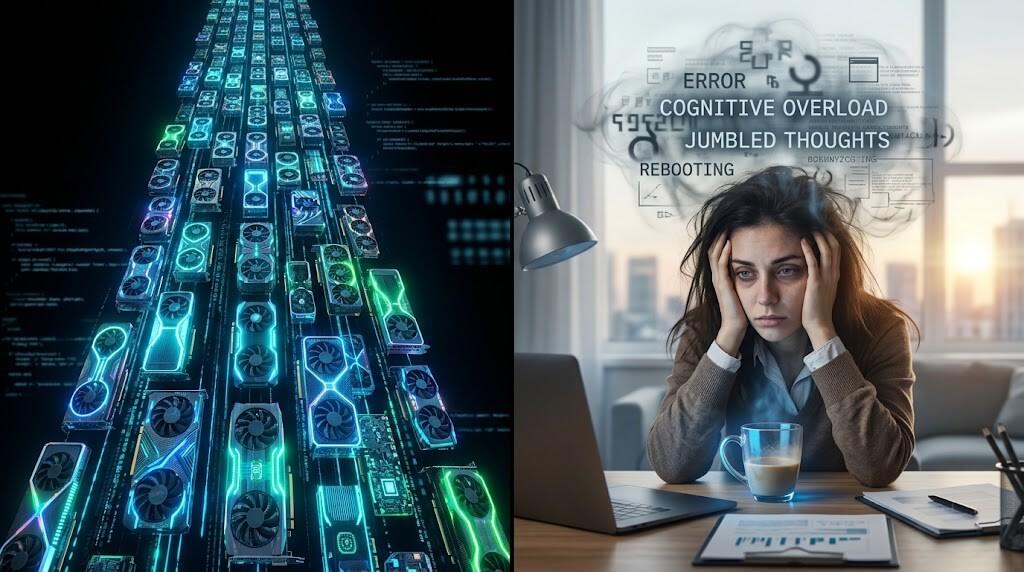
The Doomscrolling Trap
Your exhausted brain reaches for the path of least resistance. TikTok, Instagram Reels, and YouTube Shorts deliver effortless dopamine hits that require zero cognitive investment—making them the perfect counterfeit substitute for genuine rest.
The Productivity Paradox
Every hour stolen from sleep costs you roughly two hours of productive output the next day. You stay up late to “reclaim” freedom, then waste the following day in cognitive fog—making the next night’s revenge cycle even more desperate.
Autonomy Reclamation & Bedtime Delay Index
Measure how strongly your subconscious trades restorative sleep for psychological control.
When you finally get into bed or sit on the sofa late at night, your primary thought is:
4. Transition Friction and Avoiding Silence
If you logically understand that staying up ruins your mornings, why is stopping so difficult? The obstacle lies in a behavioral hurdle known as “transition friction.”
Preparing for bed is not a singular action; it is a multi-step sequence requiring active effort:
- Putting down an engaging digital device.
- Standing up and completing evening hygiene routines (washing face, brushing teeth).
- Turning off lights and lying in quiet darkness.
When executive willpower is zero, this transition sequence feels overwhelming. Furthermore, turning off the screen forces you to be alone with your thoughts.
As explored in our analysis of why doing nothing triggers mental restlessness, quiet darkness allows daily anxieties and unresolved stress to surface. The glowing screen acts as a digital anesthetic, numbing the brain to prevent uncomfortable emotions from emerging.
Research by Dr. Kroese also found that people who score high on impulsivity measures are significantly more likely to succumb to transition friction. The immediate sensory reward of continuing to scroll outweighs the abstract, distant benefit of a good night’s sleep. This is your brain’s temporal discounting system in action—devaluing future rewards in favor of present comfort.
5. Neuroscience-Backed Protocols to Disarm the Trap
You cannot defeat late-night procrastination using sheer willpower at midnight; your willpower engine is already depleted. To break the cycle, you must implement structural daytime routines that satisfy your autonomy needs before the evening rebellion begins.

Strategic Recovery Protocols
1. Schedule Daytime Autonomy
Block out 30 minutes of non-negotiable personal time during the day. Satisfying your need for control early prevents late-night emotional rebellion.
2. Front-Load Hygiene Routines
Complete your night hygiene at 8:00 PM while your willpower is intact. Eliminating bedtime friction makes getting into bed effortless when fatigue hits.
3. Enforce an Analog Curfew
Charge digital devices outside your bedroom after 10:00 PM. If you feel the urge to stay awake, restrict leisure to reading physical books in dim light.
Create a “Wind-Down” Alarm
Set a daily alarm for 45 minutes before your target bedtime. When it rings, it serves as a external willpower substitute—a pre-committed reminder that your transition friction window is about to begin.
Replace Doomscrolling with a “Micro-Hobby”
Keep a paperback book, sketchpad, or puzzle on your nightstand. These provide low-effort but meaningful engagement that satisfies your autonomy drive without triggering infinite-scroll dopamine traps.
Practice “Autonomy Banking”
Consciously schedule pleasurable, unstructured time during the day—even 15 minutes. When your brain feels it has already claimed personal freedom, the midnight desperation to steal more fades significantly.
6. The Social Media Algorithm Trap: Why Your Brain Can’t Log Off
One factor that rarely gets discussed in the context of revenge bedtime procrastination is the deliberate design of social media platforms to exploit your depleted state. Tech companies employ teams of behavioral psychologists whose sole job is to maximize “time on app” during exactly the hours your willpower is weakest.
The infinite scroll feature was not invented by accident. Variable ratio reinforcement—the same psychological mechanism that makes slot machines addictive—is embedded in every social media feed. You never know when the next swipe will deliver a genuinely entertaining video, so your brain keeps swiping, trapped in a dopamine-seeking loop that your exhausted prefrontal cortex has no energy to break.
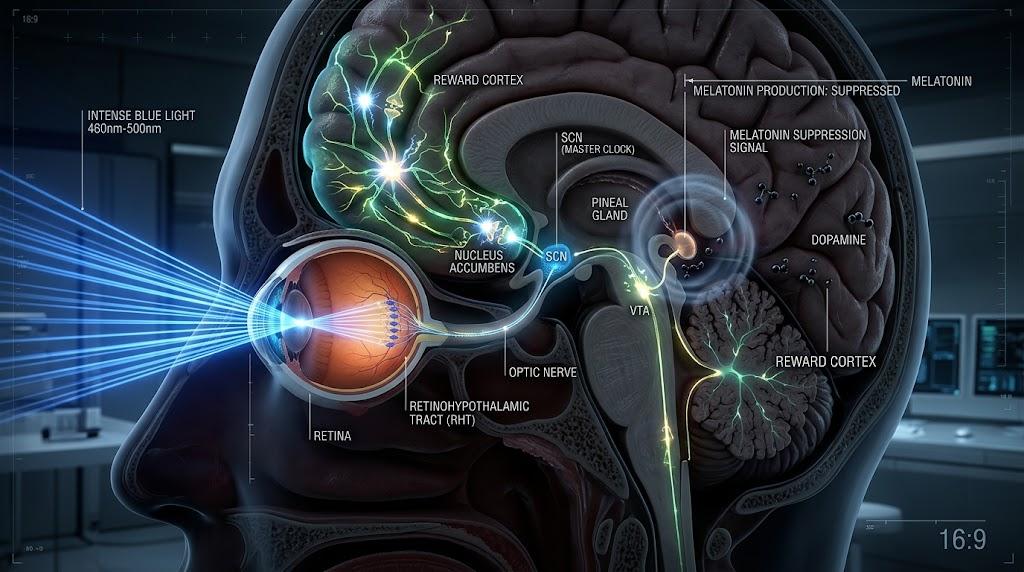
Blue light emission from screens compounds the problem. Exposure to blue wavelengths suppresses melatonin production by up to 50%, according to research from Harvard Medical School. This means that every minute you spend scrolling actively delays your biological sleep signal, pushing your natural drowsiness window further into the night and making the revenge bedtime procrastination cycle even harder to escape.
The algorithm also learns your weaknesses. If you engage with political content, news, or emotionally charged videos after midnight, the platform registers this pattern and serves increasingly stimulating content to keep you locked in place. You are not just fighting your own psychology at 2:00 AM—you are fighting a billion-dollar engineering operation designed to keep your eyes open.
Summary
Revenge bedtime procrastination is not laziness. It is a biological cry for personal autonomy in an overdemanding world. Your brain is not broken—it is reacting rationally to a schedule that leaves zero room for self-directed pleasure. The tragedy is that the “revenge” you take on your schedule is ultimately revenge on yourself: every hour stolen from sleep compounds into cognitive fog, emotional instability, and declining health.
The cycle is reinforced by three converging forces: the psychological need for autonomy, the neurochemical trap of cheap dopamine, and the deliberate design of social media algorithms that exploit your midnight vulnerability. Breaking free requires addressing all three—not through willpower alone, but through structural changes that satisfy your brain’s need for control during daylight hours.
By front-loading daytime autonomy, eliminating evening transition friction, and understanding the neurochemistry behind your midnight decisions, you can reclaim your nights without sacrificing your days. Start tonight—not with a dramatic digital detox, but with one small structural change. Set that wind-down alarm. Place that book on your nightstand. Give your brain a better alternative to the infinite scroll. The cycle is powerful, but it is not unbreakable.
Frequently Asked Questions
Is revenge bedtime procrastination considered a sleep disorder?
No. It is classified as a behavioral habit loop driven by daytime stress and executive depletion, rather than a physical sleep pathology like insomnia.
Why do I stay up late even when I am physically exhausted?
Late-night exhaustion depletes your prefrontal cortex’s decision-making power, making the mental effort required to turn off screens feel overwhelming while seeking instant dopamine.
Can revenge bedtime procrastination cause long-term health damage?
Yes. Chronic sleep deprivation is linked to cardiovascular disease, weakened immunity, cognitive decline, and increased risk of premature mortality. Breaking the cycle early is critical.
Where can I read more about sleep psychology research?
To explore clinical guides on sleep hygiene and behavioral health, visit the Sleep Foundation’s comprehensive research portal.
References
- Kroese, F.M. et al. (2014). Bedtime procrastination: Introducing a new area of procrastination. Frontiers in Psychology, 5, 611. DOI: 10.3389/fpsyg.2014.00611
- Meijer, A.M. et al. (2020). Adolescents’ device use and sleep: A meta-analysis. Sleep Medicine Reviews, 52, 101307.
- Hirshkowitz, M. et al. (2015). National Sleep Foundation’s sleep time duration recommendations. Sleep Health, 1(1), 40-43. DOI: 10.1016/j.sleh.2014.12.010
📚 You Might Also Like
Hand-picked articles for you


